
Promotional Products Business for Sale
Promotional products are not “nice-to-have” anymore; they are embedded in hiring, retention, events, and customer programs, enhancing promotional programs. The best promotional products business owners win by becoming a trusted local consultant, not a catalog order-taker.
Searching for the right promotional products business for sale?
Most buyers want:
- An established book of business and repeat customers
- A category with large market demand
- A model that can scale beyond one-off orders into programs (portals, stores, kitting)
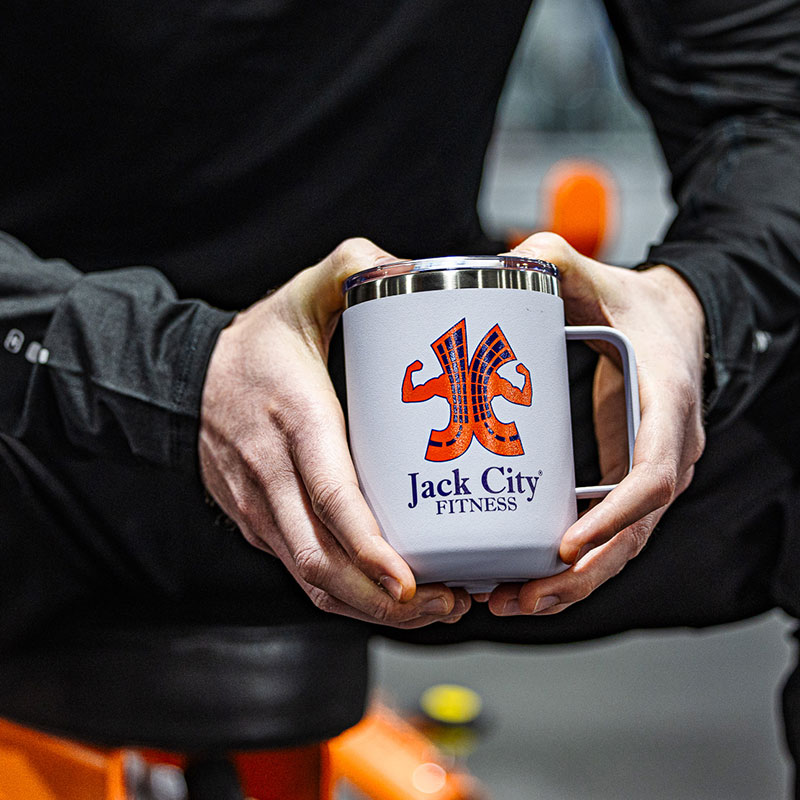
Market snapshot: Promotional Products is a large, growing category
ASI Research reported North American promotional products distributor sales reached $27.7B in 2025, up 4.2% YoY (record sales). PPAI reported that the promo industry grew 2.63% in 2024 to $26.78B in sales volume.
What this signals for entrepreneurs looking to enter the industry, is that businesses continue to allocate budget to branded merchandise because it ties directly to workforce needs, events, customer relationships, and brand consistency.
What customers are buying (and why they keep buying)
Promotional products become “repeatable” when they are tied to programs like:
Onboarding kits and new hire packs
Trade shows and sales enablement kits
Recognition and milestones
Multi-location promotional programs that require consistency
Seasonal initiatives that repeat annually
The strongest operators win by guiding customers to the right items for the moment, budget, purpose, timeline, and brand standards, then turning that into an account relationship.
Is owning a promotional products business profitable?
Profitability depends on your ability to protect margin through:
- Product selection and supplier strategy
- Expectation-setting (timelines, substitutions, freight)
- Disciplined proof/approval workflows
- Program planning (orders that repeat instead of constant custom chaos)
INvestment Profile
Below is an idea of the potential costs you can expect in order to get the office model off the ground.

$49,500
Franchise Fee

$49,500
Cash Available

$75,000
Investment Low

$90,000
Investment High
Buying an independent promotional products business (what you’re really inheriting)
Buying an existing promotional products business can look like the fastest path in there is already a customer list, vendor relationships, and revenue history. But in this industry, what you are often buying isn’t a system; you’re buying a person’s reputation in the market and the relationships they’ve built over time. If key accounts are loyal to the owner (not the company), retention can become your first challenge. Customers may have stayed because they trusted that individual judgment, expected a certain level of responsiveness, or relied on informal “how we do things” habits that aren’t documented anywhere.
That’s why acquisitions in promo can feel deceptively simple until you take over day-to-day operations. Many independent businesses run on tribal knowledge, pricing that lives in someone’s head, quoting habits that vary by customer, proofing and approvals managed through long email chains, and fulfillment practices that depend on personal vendor shortcuts. When the original owner is no longer the hub, inconsistencies show up quickly: missed expectations, preventable errors, margin leakage from rework, and more time spent on firefighting than selling.
If you’re buying independent, the smartest diligence is less about “do they have customers?” and more about how transferable the business is without the owner and whether there’s a documented, repeatable operating rhythm you can step into.
Why Franchise Leverage Matters Here (Repeatable System Over Personality-Driven Business)
A franchise model is designed to solve that exact problem. Instead of inheriting one operator’s reputation and improvised processes, you’re launching with a repeatable system, a defined way to sell, quote, proof, fulfill, and grow accounts that doesn’t depend on one person’s memory or relationships. That matters in promotional products because customers don’t just want items; they want confidence: the right recommendations, clean approvals, predictable timelines, and fewer mistakes.
Franchise leverage typically shows up in three practical ways. First, it gives you structure and consistency, proven workflows for quotes, proofs, approvals, and order management that reduce rework and protect margin. Second, it gives you vendor depth and purchasing leverage, more options when products change, lead times shift, or a supplier can’t deliver, and preferred programs that improve reliability. Third, it supports the shift from one-off orders to program work, portals, standardized SKUs, and reorder systems that make repeat buying easier for customers and less labor-intensive for the owner.
In short: buying independent can mean inheriting a business that works because of who ran it. Buying a franchise is choosing a business designed to work because of how it runs, and that repeatability is what makes it easier to scale over time.
How much does it cost to start?
Fully Promoted total estimated initial investment ranges from $129,386 to $393,552, including franchise fee, equipment package, marketing, and working capital (“additional funds”).
How to start (and what to compare)
1
Decide the business you want: owner-operator vs. manager-run
2
Identify local demand pockets: B2B services, education, construction, healthcare
3
Evaluate models on vendor depth, systems, support, portals, account growth path
Frequently Asked Questions
Is promo “just ordering products”?
The winning model is consultative: guiding selection, managing proofs, protecting timelines, and building programs that repeat.
Can owners expand into apparel and decoration?
Yes, many owners grow account value by offering branded apparel, uniforms, embroidery/screen printing, portals, and kitting once trust is established. With Fully Promoted you grow revenue through a suite of complimentary services that grow share of wallet and allow you to offer more solutions for each customer you serve.
Next Steps
If you’re evaluating a promotional products business for sale, focus on whether the model is built for repeat programs and account growth, not just one-off orders. Fully Promoted is designed around local B2B relationships, broader solution coverage, and systems that help owners scale.